
The Correlation of Casino Tokens: A Comprehensive Analysis
In the fascinating realm of gambling, tokens play a pivotal role, serving as both a medium of exchange and an integral part of the gaming experience. Many enthusiasts often wonder: Are casino tokens correlated with player success and behavior? Understanding this relationship can illuminate patterns within casino operations and gamer psychology. For more insights into betting strategies and gaming, check Are Casino Tokens Correlated With Bitcoin Price Movements? Bitfortune betting.
1. What are Casino Tokens?
Casino tokens, also known as chips, are physical representations of currency used in gaming establishments. They come in various denominations and are primarily utilized for placing bets in a range of games, including slots, blackjack, poker, and roulette. Beyond their basic function as currency, these tokens can evoke a sense of excitement and commitment among players, influencing their overall gaming experience.
2. Historical Context
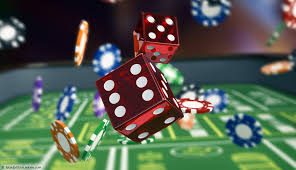
The use of tokens in casinos dates back to the 19th century, where metal coins were the norm. As casinos evolved, the introduction of ceramic and plastic chips not only improved the aesthetic but also enhanced security and transaction efficiency. The correlation between these tokens and gambling outcomes developed along with the evolving gaming culture.
3. The Psychological Aspect of Casino Tokens
The very nature of casino tokens can have significant psychological effects on players. Chips serve as a tangible representation of their money, yet players tend to perceive them differently. The act of exchanging cash for tokens can create a psychological barrier, reducing the pain of losing real money. This phenomenon can lead to increased betting and, potentially, greater loss. How players handle tokens—whether they view them as real money or a form of entertainment—can directly influence their gambling behavior.
4. Correlation with Player Behavior
Studies have suggested varying degrees of correlation between casino tokens and player behavior. For instance, players who use higher denomination chips may adopt more aggressive betting strategies, while others may prefer the comfort of smaller, more manageable denominations. The choice of token often reflects the player’s risk tolerance, gaming strategy, and overall goals in the casino environment.
5. Influence on Casino Revenue
Casino operators closely monitor chip usage as a metric for revenue generation. High levels of chip circulation can indicate active player engagement, which in turn enhances the casino’s income through both loss from players and the house edge. Operators often implement promotional strategies involving tokens—like offering special bonuses or tournaments to encourage usage, thus creating a feedback loop correlated with increased revenue.
6. Tokens and Game Outcomes
The relationship between tokens and outcomes can be quite complex. While tokens themselves do not influence game mechanics, the perception and use of tokens may lead to variations in how players approach different games. For example, a player with an abundance of tokens might take greater risks, potentially leading to swings in their gaming outcomes. Conversely, players who manage their tokens more conservatively might experience steadier, albeit smaller, successes.
7. Technological Advancements in Tokens
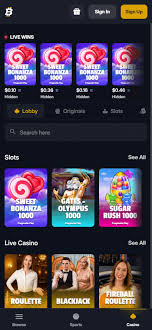
The introduction of digital tokens and smart chips reflects the ongoing evolution within the gaming industry. These advancements aim to enhance security, streamline transactions, and provide real-time data analytics to operators regarding player behavior and preferences. Digital currencies and blockchain technologies promise to reshape the correlation between players and tokens, potentially leading to new patterns in gaming success and casino operations.
8. The Future of Casino Tokens
As the casino industry adapts to changing technologies and player expectations, the role of casino tokens will likely continue to evolve. Operators are continually exploring ways to leverage token usage to boost engagement and retention. Future trends could include personalized token promotions or the integration of virtual reality environments that utilize tokens in innovative ways to enhance the gaming experience.
Conclusion
While casino tokens serve primarily as a medium of exchange, their influence extends far beyond simple currency. The correlation between tokens and player behavior, psychological impacts, and overall gaming outcomes reveals underlying patterns that can shape the future of casino operations. As the industry continues to evolve, understanding these relationships will be crucial for both players and operators alike, paving the way for enhanced gaming experiences and strategic betting.